Why do people get plastic surgery?
A personal decision, with more than one reason behind it. A closer look at appearance, function and the expectations you bring to a consultation.
Perspective from Stone Surgical Arts
The reason to consider surgery is rarely the same for two people. For one person, it is a change they have thought about for years. For another, it is the wish to restore something an injury, illness or time has changed.
A thought to keep
Begin with what matters to you. A good consultation makes room for your reasons, your questions and the option to wait.
01
Feeling more like yourself
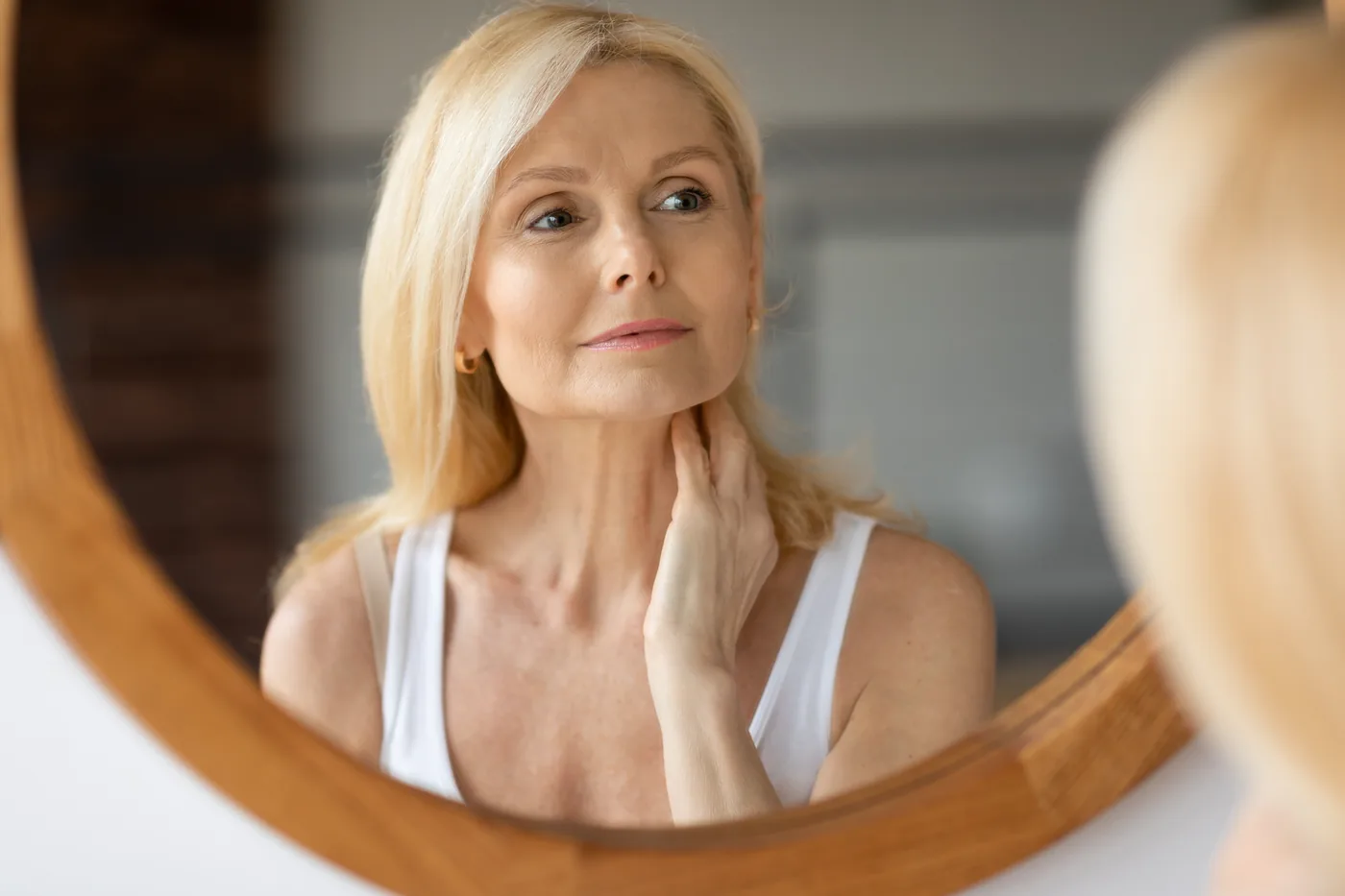
Some people seek cosmetic surgery to change a feature that has always concerned them. Others want to address changes that have appeared gradually, such as loose skin around the jaw or heaviness in the eyelids.
The useful starting point is specific: what would you like to change, and what would you like to keep? Bringing that distinction to a consultation helps turn a broad wish into a conversation about what a procedure can reasonably achieve.
02
Restoring form and function
Cosmetic and reconstructive surgery have different aims, although they can overlap. Cosmetic surgery focuses on appearance. Reconstructive surgery addresses structures affected by injury, illness or conditions present from birth, with attention to both appearance and function.
Some concerns also have a functional component. For example, excess upper-eyelid skin may interfere with vision. An examination is needed to understand the cause and whether surgery is appropriate.
03
Keeping expectations grounded
People sometimes hope a change in appearance will also change how they feel at work, in relationships or in social situations. Those feelings are worth discussing, but surgery cannot promise career success, repair a relationship or resolve emotional distress.
If worries about appearance are taking over daily life, tell your clinician. Additional support or a psychological assessment may be more helpful than a procedure. The decision should come from you, without pressure from another person or a passing trend.
04
Making the consultation count
Write down your main concern, the result you hope for and anything that makes you hesitant. Bring your medical history and a list of medications and supplements. Ask about alternatives, possible complications, recovery and follow-up care.
A consultation is a place to gather information. You can take time to consider it, seek another opinion or decide that now is not the right moment.
Adapted from the Stone Surgical Arts archive and updated for clarity. This article offers general information; an individual consultation is needed for treatment advice.
Further reading
ASPS: patient safety ASPS: body dysmorphic disorder and cosmetic proceduresKeep reading
View all articles ↗
Facial treatments for men
The anatomy differs, and so does what most men ask for. What that changes about planning.
Read article
How the conversation about cosmetic surgery changed
More openness has made good information easier to find and bad information easier to spread. How to tell them apart.
Read article