Hair restoration: how it works
Transplantation moves hair rather than creating it. What that means for planning, and why the assessment starts with the cause of the loss.
Perspective from Stone Surgical Arts
Hair restoration covers medical treatment and surgical transplantation, and the two are often used together. What suits a particular person depends first on why the hair is thinning.
A thought to keep
A transplant redistributes the hair you have. Establishing the cause of the loss comes before deciding how to treat it.
01
The cause comes first
Hair loss has many causes, including pattern hair loss, medical conditions, medication, stress and nutritional factors. Some are reversible; some are not; and some will continue regardless of treatment.
That assessment shapes everything after it. Treating pattern loss and treating a temporary shedding are different problems with different answers.
02
What a transplant involves
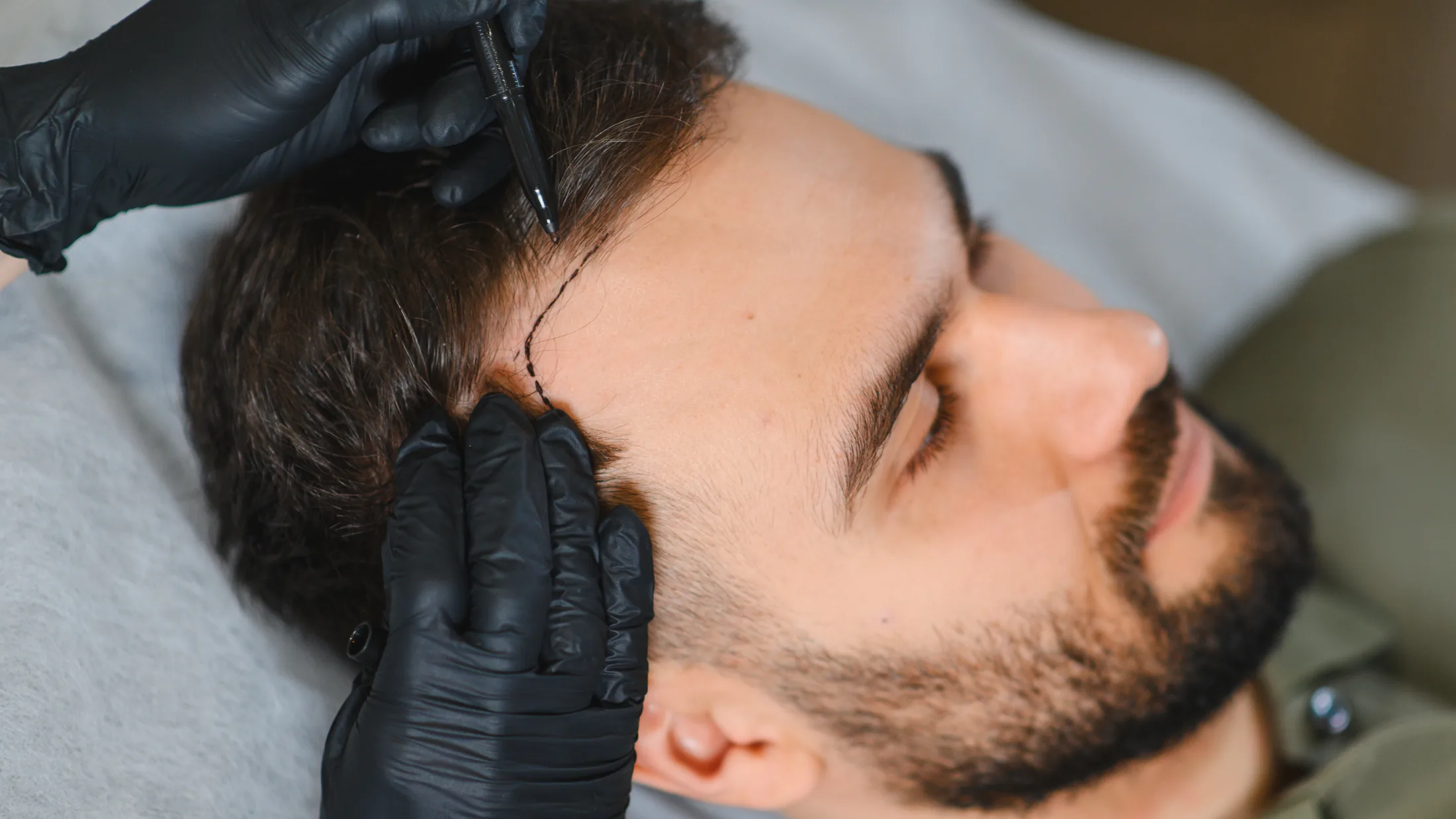
Transplantation moves follicles from an area where hair is growing reliably to an area where it is not. It redistributes existing hair rather than adding new hair, so the donor area sets the limit on what is achievable.
Techniques differ in how the follicles are harvested, which affects the pattern of scarring and the recovery. The transplanted hair typically sheds before regrowing, so the result develops over months.
03
Loss continues around it
A transplant does not stop the underlying process. Hair that was thinning before may continue to thin around the transplanted area, which can change the appearance over the years.
This is why medical treatment is often continued alongside, and why the hairline is designed with future loss in mind rather than to the pattern of a much younger person.
04
Setting expectations
Ask how many grafts are realistic, what density that will produce, and how the plan accounts for further loss. Ask to see results at one year rather than at three months.
Density comparable to unaffected hair is rarely the outcome. A well-planned result is one that looks unremarkable, which is a different goal from restoring what was there at twenty.
Adapted from the Stone Surgical Arts archive and updated for clarity. This article offers general information; an individual consultation is needed for treatment advice.
Further reading
ASPS: hair transplantation and restorationKeep reading
View all articles ↗
Understanding the different types of plastic surgery
Cosmetic, reconstructive, surgical and non-surgical: what the terms mean, and how facial procedures fit into the wider picture.
Read article
Oral and cosmetic surgery: the procedures explained
Surgical and non-surgical, oral and cosmetic. A plain guide to the categories, and where facial procedures sit among them.
Read article